




News

1

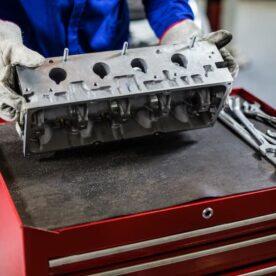
How to use a cylinder boring bar

22.10.2023 The date of publication
Read more
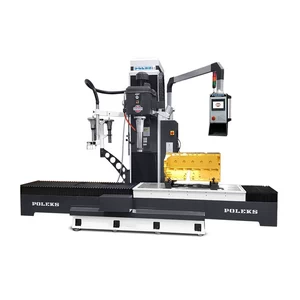
How does a horizontal boring machine work

How does a horizontal boring machine work

22.10.2023 The date of publication
Read more
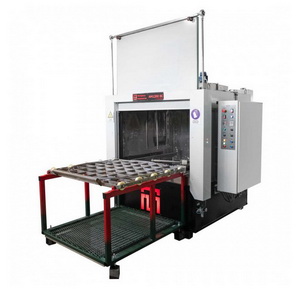
How to clean an engine block

How to clean an engine block

23.07.2023 The date of publication
Read more

How to Use a Pressure Washer: Setup and Operation Guide

Pressure washers are powerful tools that can make cleaning tasks much easier and more efficient. Whether you have an electric or gas-powered model, knowing how to properly use a pressure washer is essential for achieving the best results and ensuring safety. In this comprehensive guide, we will cover how to use a pressure washer, specifically focusing on electric models, and provide tips for various applications, including car washing and using detergents.

Section 1: Setting Up Your Electric Pressure Washer

Step 1: Gather Your Equipment

Before you begin, make sure you have the following items:

  • Electric pressure washer
  • Water source with a garden hose connection
  • Electrical outlet and extension cord (if required)
  • Appropriate nozzles and attachments
  • Safety gear: safety goggles, hearing protection, and closed-toe shoes

Step 2: Connect the Water Supply

Attach a garden hose to the water inlet on your pressure washer.

Ensure that the hose is free of kinks and twists.

Turn on the water supply and let it run through the hose to remove any air bubbles.

Step 3: Plug in the Pressure Washer

Connect your pressure washer to a GFCI-protected electrical outlet.

Use an extension cord rated for outdoor use if needed.

Make sure all electrical connections are dry and secure.

Section 2: Using Your Electric Pressure Washer

Step 4: Choose the Right Nozzle

Pressure washers come with different nozzles, often color-coded to indicate their spray pattern and pressure.

Select the appropriate nozzle for your task. For general cleaning, a 25-degree nozzle is often a good choice.

Step 5: Adjust the Pressure

Most electric pressure washers have an adjustable pressure setting. Start with a low-pressure setting and gradually increase it until you achieve the desired cleaning power.

Step 6: Begin Pressure Washing

Start the pressure washer and let it warm up for a few minutes.

Point the wand away from people and animals, and squeeze the trigger to start spraying.

Move the wand in a sweeping motion, maintaining a consistent distance (usually 6-12 inches) from the surface you are cleaning.

Avoid directing the spray at windows, fragile surfaces, or electrical components.

Section 3: Using Detergent with Your Pressure Washer

Step 7: Adding Detergent

Some pressure washers have a detergent tank or a siphon hose for soap application.

Use a pressure washer-safe detergent and follow the manufacturer’s instructions for mixing ratios.

Apply detergent to the surface you’re cleaning, allowing it to sit for a few minutes to break down dirt and grime.

Step 8: Rinse and Clean

Switch to a low-pressure nozzle (often labeled as a soap nozzle) to rinse off the detergent.

Start at the top of the cleaned area and work your way down to prevent streaking.

Rinse thoroughly to ensure no detergent residue is left behind.

Pressure Washing Q&A

Q1: What are some essential pressure washing safety tips for beginners?

Beginners should prioritize safety by wearing PPE, testing pressure settings on inconspicuous areas, and avoiding high pressure on delicate surfaces. Always follow manufacturer guidelines and practice safe operating procedures.

Q2: What are the best pressure washing techniques for cleaning a house exterior?

When pressure washing a house exterior, start from the top and work your way down, use a wide-angle nozzle, and maintain a safe distance to prevent damage. Also, use the appropriate detergent for your siding material.

Q3: How can I start a successful pressure washing business?

To start a successful pressure washing business, invest in quality equipment, obtain the necessary permits and insurance, develop a marketing strategy, and offer competitive pricing. Building a strong reputation for quality work and excellent customer service is essential for long-term success.


https://img.freepik.com/premium-photo/man-woman-factory_1303-8527.jpg?w=996

Pressure washing is an effective and efficient way to clean various surfaces, from driveways and sidewalks to decks and siding. Whether you’re a professional pressure washer or a beginner looking to tackle some cleaning projects, these pressure washing tips will help you achieve the best results while ensuring safety.

Professional Pressure Washing Tips

  • Use the Right Equipment: Invest in high-quality pressure washing equipment to ensure efficient cleaning. A professional-grade pressure washer with adjustable pressure settings and a variety of nozzles will give you better control over the cleaning process.
  • Proper Maintenance: Regularly inspect and maintain your pressure washer. Check for leaks, clean or replace filters, and ensure all components are in good working condition to prevent breakdowns during jobs.
  • Pressure Washing Techniques: Learn and master different pressure washing techniques for various surfaces. Adjust the pressure and nozzle type to suit the material you’re cleaning, whether it’s concrete, wood, or delicate siding.
  • Detergent Selection: Choose the appropriate detergent for the job. Different surfaces require specific cleaning solutions. Always follow manufacturer recommendations and dilution ratios for the best results.
  • Uniform Coverage: Maintain a consistent distance from the surface you’re cleaning to achieve uniform coverage. This ensures that no areas are over-pressured, which can cause damage.

Best Pressure Washing Tips

  • Safety First: Prioritize safety by wearing appropriate personal protective equipment (PPE), including safety glasses, gloves, and hearing protection. Be cautious of electrical outlets and wiring when using electric pressure washers.
  • Prep Work: Prepare the area before pressure washing by removing debris, loose dirt, and obstacles. Cover nearby plants and electrical outlets to protect them from water and detergent.
  • Test in an Inconspicuous Area: Before starting a pressure washing project, test a small, inconspicuous area to determine the appropriate pressure and technique. This prevents accidental damage to the main surface.
  • Work from Top to Bottom: When pressure washing walls or vertical surfaces, start from the top and work your way down. This prevents streaks and ensures thorough cleaning.
  • Rinse Thoroughly: After applying detergent, make sure to rinse the surface thoroughly. Soap residue can damage the surface or leave unsightly streaks.

Pressure Washing Safety Tips

  • Proper Nozzle Use: Use the right nozzle for the job. A narrow nozzle concentrates the pressure and is suitable for tough stains, while a wider nozzle is better for large surface areas.
  • Avoid High Pressure on Sensitive Surfaces: When pressure washing delicate surfaces like wood or vinyl siding, reduce the pressure to avoid damage. Start with low pressure and gradually increase if needed.
  • Keep a Safe Distance: Maintain a safe distance from the surface you’re cleaning to prevent injury and damage. Start farther away and move closer as needed.

Pressure Washing Q&A

1: What are some essential pressure washing safety tips for beginners?

Beginners should prioritize safety by wearing PPE, testing pressure settings on inconspicuous areas, and avoiding high pressure on delicate surfaces. Always follow manufacturer guidelines and practice safe operating procedures.

2: What are the best pressure washing techniques for cleaning a house exterior?

When pressure washing a house exterior, start from the top and work your way down, use a wide-angle nozzle, and maintain a safe distance to prevent damage. Also, use the appropriate detergent for your siding material.

3: How can I start a successful pressure washing business?

To start a successful pressure washing business, invest in quality equipment, obtain the necessary permits and insurance, develop a marketing strategy, and offer competitive pricing. Building a strong reputation for quality work and excellent customer service is essential for long-term success.

Pressure washer problems

Pressure Washer Problems: Troubleshooting Common Issues

Pressure washers are incredibly useful tools for cleaning a variety of surfaces, from sidewalks to vehicles. However, like any machinery, they can experience common problems that may hinder their performance. In this article, we will discuss common pressure washer problems and provide troubleshooting tips to help you address them effectively.

Common Pressure Washer Problems

  • No Pressure or Low Pressure: One of the most common pressure washer problems is a lack of pressure or low-pressure output. This can be caused by a clogged nozzle, a kink in the hose, or a worn-out pump. To troubleshoot, check and clear any obstructions in the nozzle and hose. If the issue persists, the pump may need repair or replacement.
  • Leaks: Leaks can occur in various areas of the pressure washer, including the hose, connections, or pump. Inspect all connections for loose fittings and replace any damaged hoses or seals. Tightening loose fittings can often resolve minor leaks.
  • Pressure Washer Pump Problems: The pump is a critical component, and if it fails, it can lead to low pressure or no pressure at all. Check for proper oil levels in the pump and ensure it is not damaged or worn. Replacing the pump may be necessary if it’s severely compromised.
  • Pressure Washer Switch Problems: Electric pressure washers can experience switch-related issues. If the unit doesn’t turn on, check the power source, circuit breaker, and power cord for any faults. If these are fine, the switch may need replacement.
  • Overheating: Overheating is a common problem, especially with prolonged use. Allow the pressure washer to cool down if it overheats. Make sure there is sufficient water flow to cool the pump adequately. If it continues to overheat, the thermal relief valve may be faulty and require replacement.

Troubleshooting Pressure Washer Problems

  • Proper Maintenance: Regular maintenance is key to preventing common pressure washer problems. Clean or replace the air filter, change the oil, and inspect spark plugs as per the manufacturer’s recommendations.
  • Unclog Nozzles: If you’re experiencing low pressure, check the nozzle for clogs or debris. Use a pin or needle to clear any obstructions.
  • Check Water Supply: Ensure that you have a consistent and adequate water supply. A garden hose with a diameter less than 1/2 inch may not provide enough water for optimal pressure washer performance.
  • Inspect the Hose: Examine the pressure washer hose for kinks, cracks, or leaks. Replace damaged hoses immediately.
  • Address Leaks: Tighten loose fittings and connections. If you still have leaks, replace damaged seals, O-rings, or hoses.
  • Pump Maintenance: Keep the pump well-maintained by checking oil levels and changing it as recommended by the manufacturer. If the pump is severely damaged, it may need replacement.
  • Electrical Checks: For electric pressure washers, ensure the power source is working correctly. Check the circuit breaker, power cord, and switch. Replace any faulty components.
  • Safety Precautions: Always follow safety guidelines when using a pressure washer. Wear protective gear, never point the spray wand at people or animals, and use the appropriate pressure level for the task.

Q&A

Q1: Why is my pressure washer not producing any pressure?

If your pressure washer isn’t producing pressure, check for clogs in the nozzle or hose. Ensure there’s adequate water supply, and if the problem persists, the pump may need repair or replacement.

Q2: How can I prevent common pressure washer problems?

To prevent common problems, perform regular maintenance, keep the unit clean, and follow manufacturer recommendations for oil changes, air filter cleaning/replacement, and spark plug inspection. Additionally, use the right pressure settings for each cleaning task and follow safety guidelines.