


- Home
- /
- About company
- /
- News
- /
- How does a parts washer work
How does a parts washer work
How Does a Parts Washer Work: A Comprehensive Guide
Introduction
Industrial cleaning processes often require the effective removal of dirt, grease, and contaminants from various components. A parts washer is a vital piece of equipment that facilitates this cleaning task. In this article, we will delve into the inner workings of a parts washer, explore what to use in a parts washer, and provide insights on how to use this equipment efficiently.
What is a Parts Washer?
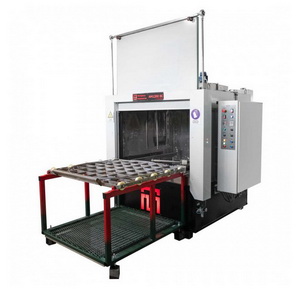
Before we discuss how a parts washer works, let’s understand what it is. A parts washer is a specialized cleaning machine designed to clean and degrease various types of parts and components used in industries such as automotive, manufacturing, and maintenance. It offers a convenient and efficient solution for removing contaminants from metal, plastic, or rubber surfaces.
How Does a Parts Washer Work?
A parts washer operates on the principle of utilizing cleaning solutions, heat, and agitation to remove contaminants from parts. Here is a step-by-step overview of how a typical parts washer works:
Step 1: Load the Parts
Begin by placing the parts or components to be cleaned inside the parts washer. Ensure that the load does not exceed the recommended capacity of the machine.
Step 2: Select the Cleaning Solution
Choose the appropriate cleaning solution for your specific cleaning needs. The cleaning solution should be compatible with the parts and contaminants being removed. Consult the manufacturer’s instructions or seek professional advice if necessary.
Step 3: Add the Cleaning Solution
Fill the parts washer’s reservoir or tank with the selected cleaning solution. The solution should be added according to the manufacturer’s guidelines, taking into consideration factors such as concentration and temperature.
Step 4: Set the Temperature and Agitation
Depending on the type of parts washer, you may have the option to adjust the temperature and agitation settings. Heat helps to enhance the cleaning process by increasing the solvency of the cleaning solution, while agitation aids in dislodging and removing contaminants. Follow the manufacturer’s instructions to set the optimal temperature and agitation level.
Step 5: Start the Cleaning Cycle
Once the parts are loaded, the cleaning solution is added, and the temperature and agitation settings are adjusted, start the cleaning cycle. This may involve activating a pump or a motor that circulates the cleaning solution and creates agitation.
Step 6: Allow Sufficient Cleaning Time
Give the parts sufficient time to soak and be exposed to the cleaning solution. The length of the cleaning cycle will vary depending on the level of contamination and the specific cleaning solution used. Refer to the manufacturer’s guidelines for recommended cleaning times.
Step 7: Rinse and Dry the Parts
After the cleaning cycle is complete, remove the parts from the parts washer and rinse them thoroughly with water to remove any remaining cleaning solution. Ensure that all traces of the cleaning solution are removed to prevent any potential residue.
Step 8: Dry the Parts
Allow the parts to air dry or use compressed air to facilitate the drying process. Ensure that the parts are completely dry before further processing or reassembly.
What to Use in a Parts Washer
To achieve optimal cleaning results in a parts washer, it is essential to use the right cleaning solution. The choice of cleaning solution will depend on the type of contaminants, the materials being cleaned, and any specific industry requirements. Here are some common cleaning solutions used in parts washers:
Solvent-Based Cleaners: These cleaners are effective in removing oil, grease, and other hydrocarbon-based contaminants. They are commonly used in parts washers that operate at high temperatures.
Water-Based Cleaners: Water-based cleaners are environmentally friendly alternatives to solvent-based cleaners. They are effective in removing water-soluble contaminants and are often used in parts washers for safer operations.
How to Use a Parts Washer
Step 1: Safety Precautions
Always prioritize safety when using a parts washer. Wear appropriate personal protective equipment (PPE) such as gloves, safety glasses, and protective clothing. Familiarize yourself with the safety features of the parts washer and ensure proper ventilation in the workspace.
Step 2: Load the Parts
Carefully place the parts to be cleaned inside the parts washer, ensuring they are properly positioned and do not interfere with any moving parts.
Step 3: Select the Cleaning Solution
Based on the type of contaminants and parts being cleaned, choose the appropriate cleaning solution. Consider factors such as compatibility, effectiveness, and environmental impact.
Step 4: Add the Cleaning Solution
Follow the manufacturer’s instructions to add the cleaning solution to the parts washer’s reservoir. Use the recommended concentration and ensure the solution covers the parts adequately.
Step 5: Set the Temperature and Agitation
Adjust the temperature and agitation settings based on the manufacturer’s recommendations and the cleaning requirements. Be cautious not to exceed the machine’s limits.
Step 6: Start the Cleaning Cycle
Activate the parts washer and initiate the cleaning cycle. Observe the machine during operation, ensuring it functions smoothly and without any issues.
Step 7: Monitor the Cleaning Process
Regularly check the progress of the cleaning cycle and evaluate the cleanliness of the parts. Adjust the cleaning time if necessary, considering the level of contamination and the effectiveness of the cleaning solution.
Step 8: Rinse and Dry the Parts
Once the cleaning cycle is complete, remove the parts from the parts washer and rinse them thoroughly with water to remove any residual cleaning solution. Dry the parts completely before further use or assembly.
Frequently Asked Questions (FAQs)
Can I use any cleaning solution in a parts washer?
How often should I clean or replace the cleaning solution in a parts washer?
Can a parts washer handle large or heavy parts?
Are parts washers environmentally friendly?
Can I clean electronic or delicate components in a parts washer?
In conclusion, understanding how a parts washer works, what to use in it, and how to use it properly is essential for efficient and effective cleaning processes. By following the guidelines provided by the manufacturer and considering safety precautions, you can maintain the cleanliness and functionality of your parts with the help of a reliable parts washer.

 Copy the link